Energy-Efficient Facade Solutions in Australia: Complete Guide for Sustainable Buildings
As Australia continues to embrace sustainability in construction, energy-efficient facade solutions have become one of the most effective ways to lower energy consumption, reduce greenhouse gas emissions, and enhance thermal comfort in buildings. Facades are more than just the outer shell of a property—they are a crucial system that controls how heat, light, and air interact with the building.
In this comprehensive guide, we’ll explore what energy-efficient facades are, their benefits, real-world product examples available in Australia, and why property developers, homeowners, and businesses are investing heavily in them.
What Are Energy-Efficient Facade Solutions?
Energy-efficient facades are advanced building envelope systems designed to minimize energy loss, optimize natural lighting, and regulate indoor temperatures. They integrate smart materials and design strategies to improve sustainability while reducing reliance on artificial heating and cooling systems.
In Australia, where climate zones vary from tropical north to cooler southern states, having a facade solution tailored to local weather conditions is essential. By implementing the right facade system, building owners can significantly lower energy bills while complying with Australia’s National Construction Code (NCC) energy efficiency requirements.
Benefits of Energy-Efficient Facade Solutions
Reduced Energy Consumption
One of the primary benefits of installing energy-efficient facades is the reduction in heating and cooling demands. High-performance glazing, shading devices, and ventilated systems minimize unwanted heat gain in summer while retaining warmth in winter.
Improved Indoor Comfort
Facades regulate indoor temperature, minimize glare, and enhance natural lighting, ensuring that occupants enjoy a healthier and more comfortable living or working space.
Sustainability and Green Building Compliance
Many energy-efficient facade solutions meet Green Star and NABERS ratings in Australia, making them essential for sustainable property development projects.
Long-Term Cost Savings
Although the upfront investment in facade systems may be higher, they offer substantial long-term savings by cutting down electricity usage, reducing HVAC system strain, and boosting overall building efficiency.
Enhanced Aesthetic Value
Modern facade technologies are not only functional but also visually appealing. They allow architects to design striking, energy-efficient buildings without compromising aesthetics.
Real-World Product Examples of Energy-Efficient Facade Solutions in Australia
Below are some of the most innovative and widely used facade solutions available in the Australian market today.
1. Schüco Facade Systems
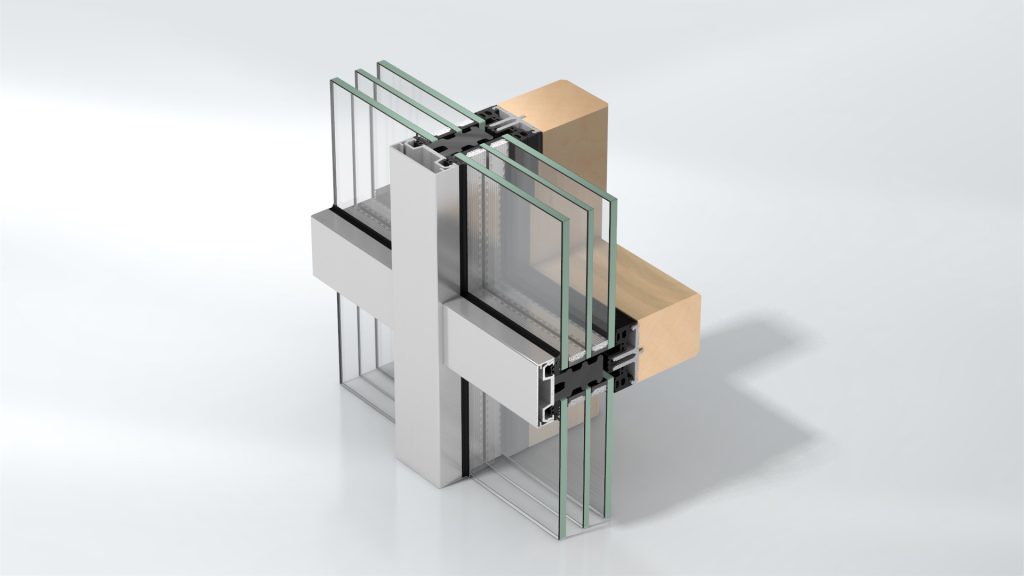
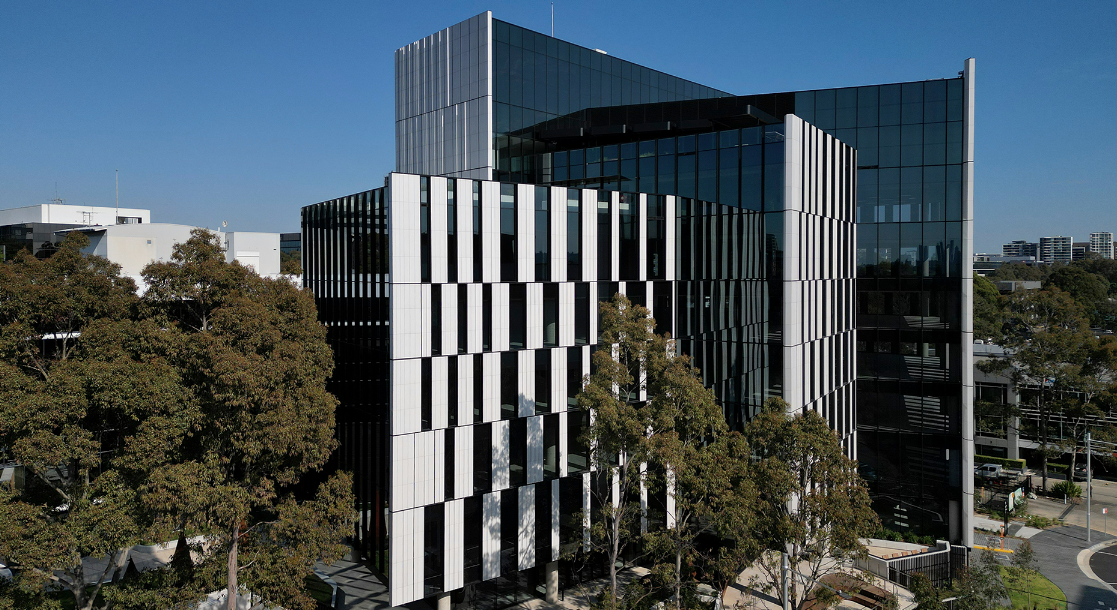
Schüco is a global leader in high-performance facade systems, and its products are widely available in Australia. Their aluminium curtain walls and unitized facade solutions are designed for maximum thermal insulation, sound reduction, and durability.
-
Key Features:
-
Advanced double and triple glazing options
-
Thermal break technology for improved insulation
-
Adaptability to complex architectural designs
-
Use Case:
Perfect for large-scale commercial projects, such as office towers and shopping centers, Schüco facades reduce air conditioning costs by up to 40%.
Why Australians Need It:
In regions like Sydney or Melbourne, where seasonal temperature changes are significant, Schüco systems help maintain comfort year-round while lowering electricity bills.
2. James Hardie ExoTec Facade Panel
James Hardie’s ExoTec Facade Panel is one of the most popular Australian-made energy-efficient facade cladding solutions. Made from durable fibre cement, it offers a ventilated facade system that enhances thermal efficiency.
-
Key Features:
-
Weather-resistant fibre cement boards
-
Ventilated cavity for moisture and heat control
-
Compatible with commercial and residential projects
-
Use Case:
Ideal for residential homes and mid-rise buildings, ExoTec reduces heat buildup in summer and prevents moisture issues during the rainy season.
Why Australians Need It:
Homeowners in Brisbane and Perth benefit from ExoTec’s ventilated design, which helps reduce cooling demand during hot summers.
3. Knauf AQUAPANEL Facade System
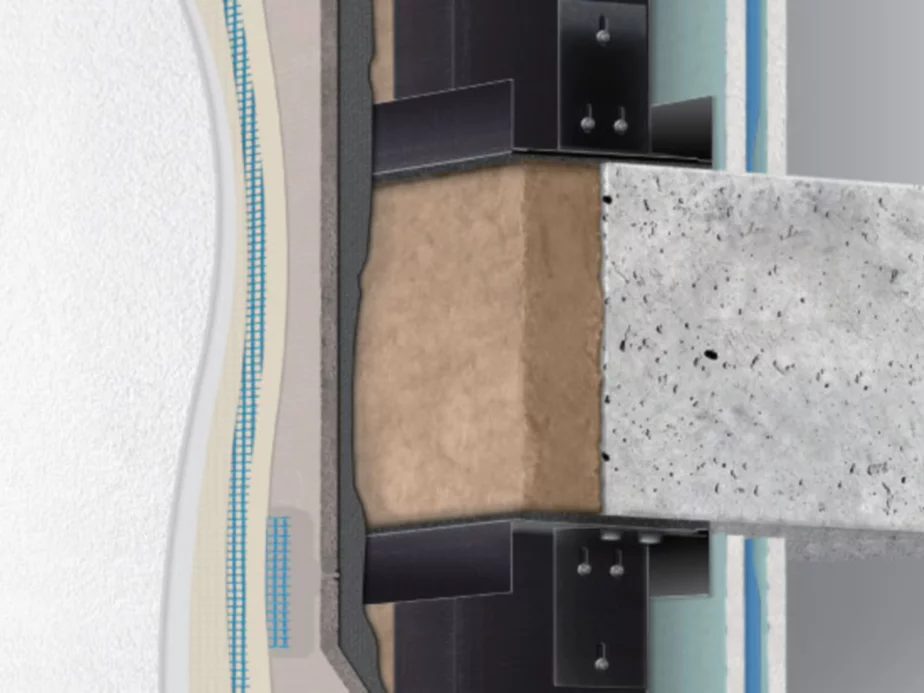
Knauf’s AQUAPANEL is designed for external wall systems, combining lightweight cement boards with excellent thermal efficiency. It is a preferred solution in sustainable construction across Australia.
-
Key Features:
-
Lightweight but robust cement boards
-
Resistant to moisture, mold, and fire
-
High thermal performance for all climate zones
-
Use Case:
This facade system is excellent for high-rise apartment complexes, offering both energy savings and weather durability.
Why Australians Need It:
AQUAPANEL ensures compliance with Australian fire safety codes while delivering superior insulation and long-term durability.
4. Kingspan KarrierPanel Facade
Kingspan is a well-known provider of insulated building solutions. Their KarrierPanel Facade integrates insulation and cladding in a single product, making installation faster and more energy-efficient.
-
Key Features:
-
Pre-insulated facade panels
-
High thermal resistance with low U-values
-
Compatible with a wide range of cladding finishes
-
Use Case:
Commonly used in industrial and commercial facilities across Australia, KarrierPanel reduces construction time while improving building efficiency.
Why Australians Need It:
In cities like Adelaide, where construction timelines are tight, KarrierPanel helps developers achieve sustainability targets without delays.
5. Viridian SmartGlass

Viridian is Australia’s leading glass manufacturer, and its SmartGlass range offers superior energy performance through advanced glazing technology.
-
Key Features:
-
Low-E (low emissivity) coatings to minimize heat gain
-
UV protection for interiors
-
Maintains clear visibility without heavy tinting
-
Use Case:
Perfect for modern homes, schools, and office buildings, SmartGlass allows abundant natural light while keeping interiors cool.
Why Australians Need It:
Australians in hot regions such as Darwin benefit from SmartGlass by reducing reliance on air conditioning while still enjoying bright, natural interiors.
Use Cases: Problems Solved by Energy-Efficient Facades
-
High Electricity Bills: Facades reduce reliance on air conditioning and heating.
-
Poor Indoor Comfort: They maintain stable indoor temperatures and minimize glare.
-
Moisture Damage: Ventilated facade systems prevent condensation and mold growth.
-
Regulatory Compliance: Helps meet Australia’s stringent building codes for energy efficiency.
-
Sustainable Development: Supports eco-friendly construction and boosts property value.
How to Buy Energy-Efficient Facade Solutions in Australia
Purchasing the right facade system requires consultation with certified suppliers and contractors. Here are the steps to buy:
-
Assess Your Project Needs – Determine if it’s for residential, commercial, or industrial use.
-
Choose the Right Supplier – Partner with reputable Australian brands such as James Hardie, Kingspan, or Viridian.
-
Request a Quote – Most suppliers provide custom pricing depending on material type and building size.
-
Hire a Certified Installer – Proper installation ensures maximum energy efficiency.
Where to Buy Online:
FAQ
1. Are energy-efficient facades expensive in Australia?
While the initial cost is higher compared to traditional facades, they deliver long-term savings by reducing electricity bills and maintenance costs.
2. Can energy-efficient facades be used in residential homes?
Yes, many solutions, such as James Hardie ExoTec and Viridian SmartGlass, are specifically designed for residential properties.
3. Do energy-efficient facades require special maintenance?
Most systems require minimal maintenance. Regular cleaning and inspection of joints, glazing, and ventilation systems are recommended.