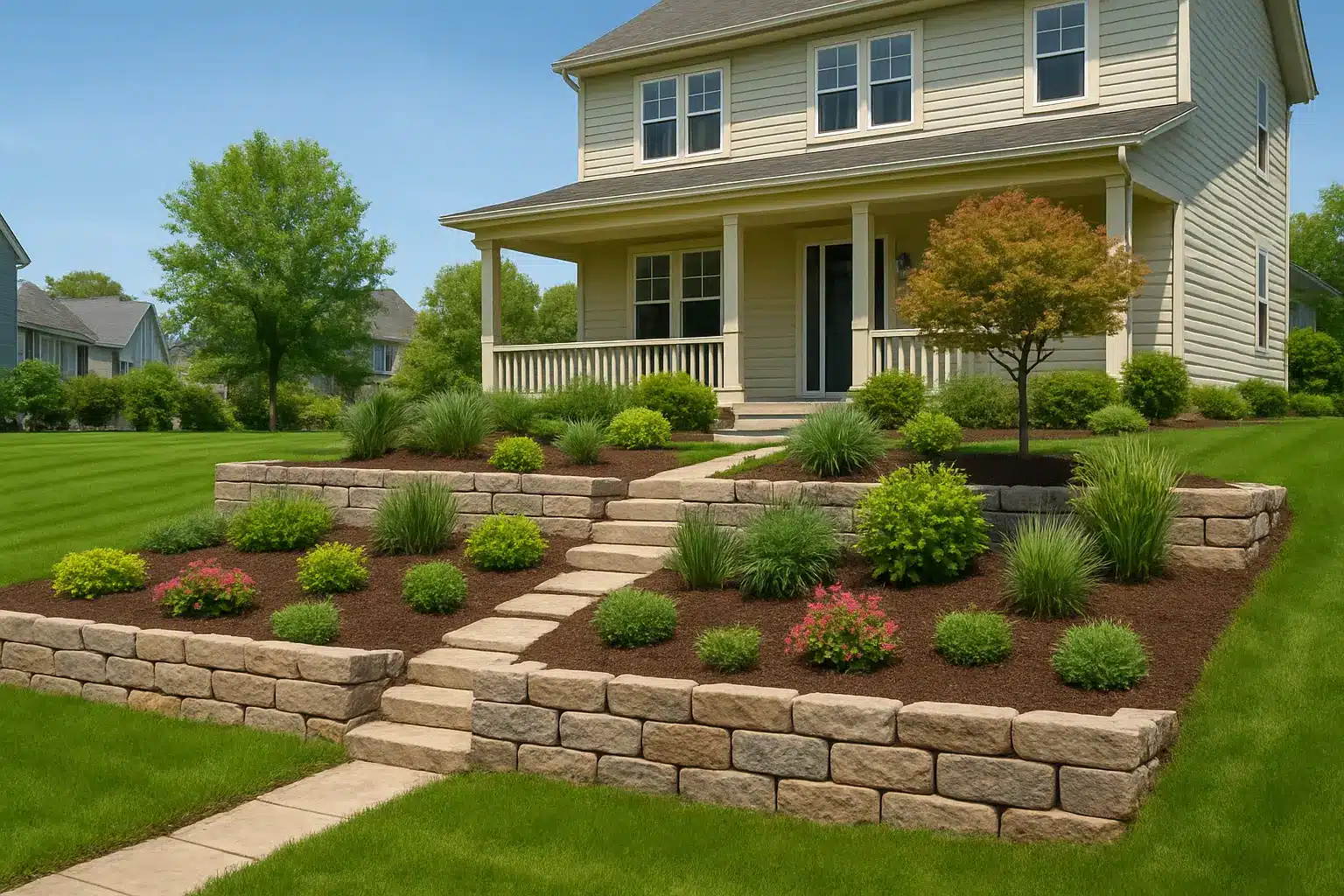
Eco-Friendly Landscaping Solutions Canada: Sustainable Outdoor Designs for 2025
Eco-Friendly Landscaping Solutions Canada is transforming how Canadians design their outdoor spaces. With increasing awareness of climate change, water conservation, and biodiversity loss, homeowners and businesses across Canada are seeking sustainable landscaping solutions that reduce environmental impact while enhancing property value and curb appeal.
This article explores the top eco-friendly landscaping solutions in Canada, including sustainable products, the benefits of technology in landscaping, and where to buy the best tools and services to achieve a greener outdoor space.
Why Eco-Friendly Landscaping Matters in Canada
Eco-friendly landscaping goes beyond aesthetics—it focuses on sustainability. In Canada, where seasonal extremes and regional climates challenge gardeners, green landscaping ensures outdoor spaces thrive while conserving resources.
Key reasons why eco-friendly landscaping is essential in Canada include:
-
Water conservation: Smart irrigation systems reduce waste in dry regions.
-
Soil health: Organic fertilizers and composting promote stronger plant growth.
-
Biodiversity: Native plants attract pollinators and support local ecosystems.
-
Lower carbon footprint: Eco-friendly products reduce reliance on fossil fuels.
By adopting these solutions, Canadian homeowners and businesses contribute to environmental protection while enjoying cost savings in maintenance.
Benefits of Eco-Friendly Landscaping Solutions
Eco-friendly landscaping provides multiple advantages:
-
Reduced Environmental Impact: Using native plants, organic products, and sustainable tools lowers pollution and supports ecosystems.
-
Cost Savings: Smart irrigation and energy-efficient systems reduce water and electricity bills.
-
Improved Health: Avoiding chemical pesticides and fertilizers creates safer outdoor spaces for families and pets.
-
Resilience: Sustainable designs withstand Canadian weather extremes better than conventional methods.
-
Increased Property Value: Green landscapes are in high demand and boost curb appeal.
Key Components of Eco-Friendly Landscaping
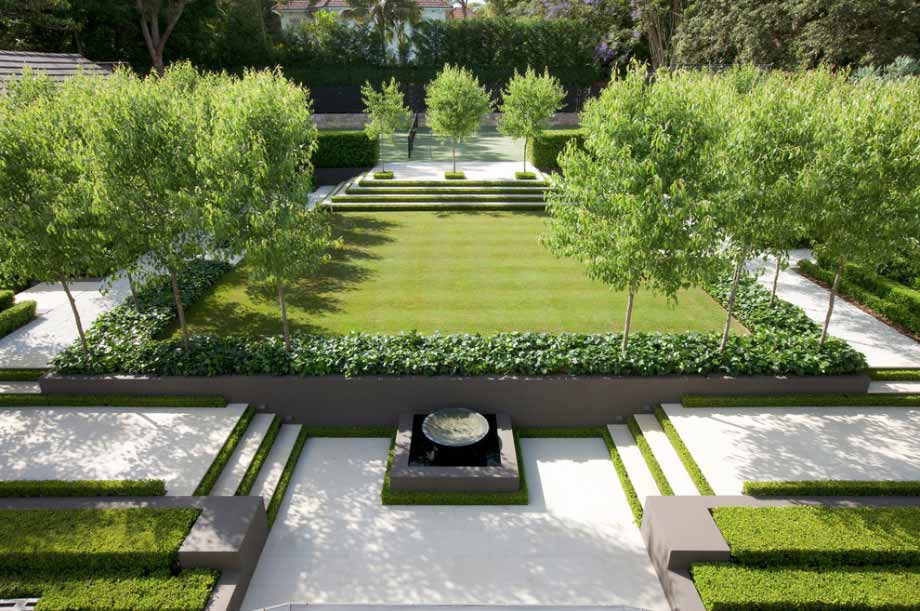
Native Plant Landscaping
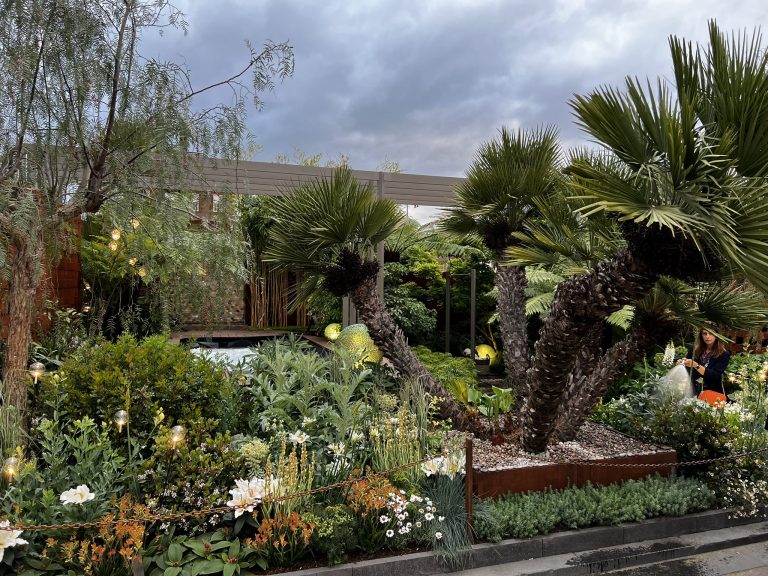
Native plants are perfectly adapted to Canada’s regional climates, requiring less water, fewer fertilizers, and minimal care. They also attract pollinators like bees, butterflies, and birds.
The benefit of using native plants is that they solve the problem of high-maintenance gardens. Unlike imported species, they thrive naturally and reduce the need for chemical intervention.
Smart Irrigation Systems
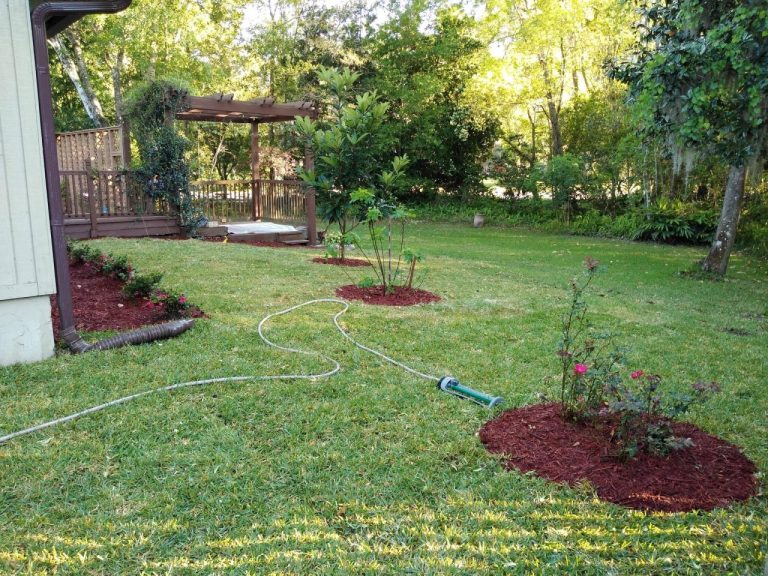
Traditional sprinklers often waste water. In contrast, smart irrigation systems use sensors and weather data to deliver the right amount of water at the right time.
This reduces water bills and helps gardens remain lush even during summer droughts. It solves the problem of overwatering or underwatering, which is common in Canadian backyards.
Eco-Friendly Lawn Alternatives
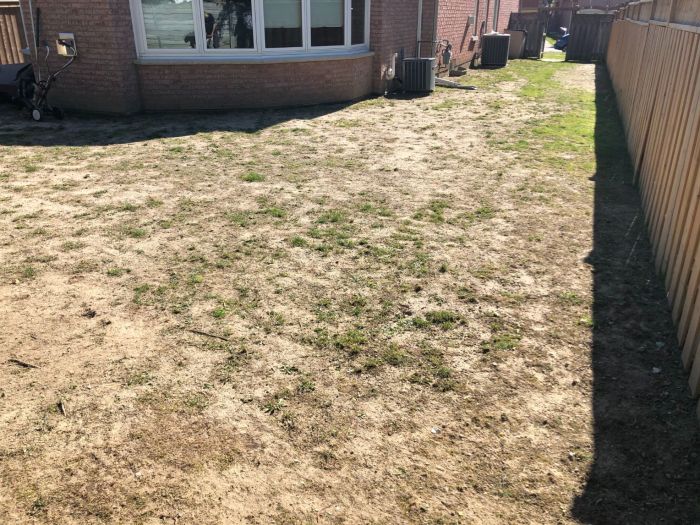
Conventional lawns require high water and chemical input. Eco-friendly alternatives like clover lawns, drought-tolerant grasses, or artificial turf reduce environmental stress.
The benefit is long-term sustainability. These solutions save time, cut maintenance costs, and solve the problem of water-hungry traditional lawns.
Composting and Organic Fertilizers
Chemical fertilizers may deliver quick results, but harm soil health over time. Composting and organic fertilizers restore nutrients naturally, supporting long-term plant growth.
This approach solves the problem of soil depletion and ensures healthier gardens without harmful residues.
Solar and LED Outdoor Lighting
Energy-efficient outdoor lighting powered by solar panels or LEDs reduces electricity use while enhancing safety and ambiance.
The benefit of eco-lighting is reduced energy bills and independence from non-renewable power sources, making it ideal for sustainable Canadian households.
Real-World Eco-Friendly Product Recommendations in Canada
Here are five top eco-friendly landscaping products available in Canada:
1. Rain Bird Smart Irrigation System
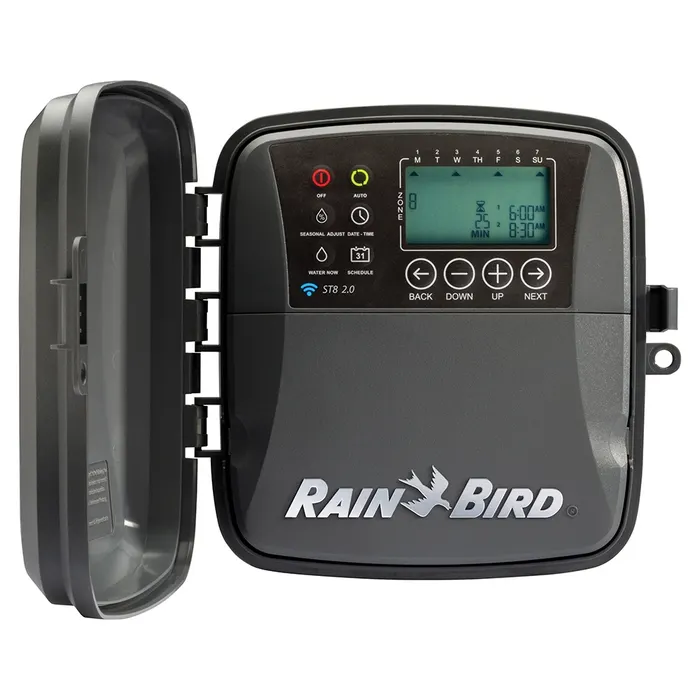
The Rain Bird Smart Irrigation System uses Wi-Fi-enabled controllers that adjust watering schedules based on weather conditions. It’s designed for Canadian gardens facing unpredictable rainfall.
Use case: Solves the problem of wasted water and inconsistent irrigation by delivering precision watering.
2. Eco-Lawn Grass Seed by Wildflower Farm
Eco-Lawn Grass Seed is a drought-tolerant, low-maintenance alternative to traditional turf. Once established, it requires little mowing and minimal water.
Use case: Solves the problem of high-maintenance lawns that demand frequent mowing, watering, and fertilizing.
3. Subpod In-Garden Compost System
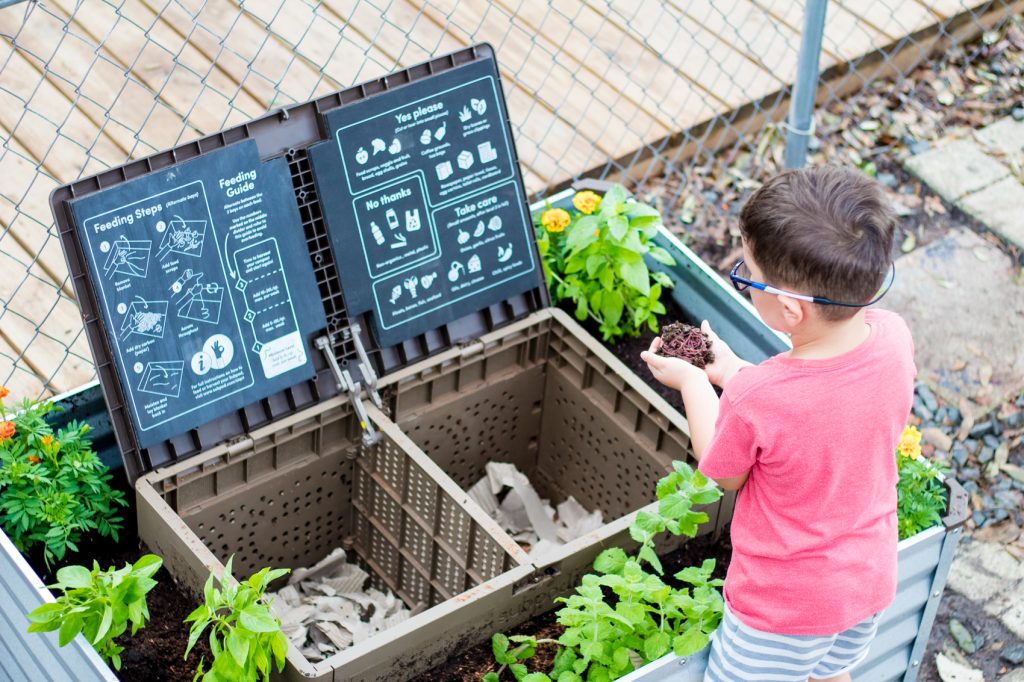
The Subpod Compost System integrates directly into your garden bed. It allows you to compost kitchen scraps while enriching the soil naturally.
Use case: Solves the issue of food waste disposal while improving soil health with nutrient-rich compost.
<a href=”https://subpod.com/” target=”_blank”><button>Buy Subpod Compost Here</button></a>
4. Greenworks 80V Cordless Lawn Mower
The Greenworks 80V Cordless Mower is an electric alternative to gas-powered mowers, reducing carbon emissions and noise.
Use case: Solves the problem of air pollution and high fuel costs associated with gas lawnmowers. Perfect for eco-conscious Canadian households.
5. Hykolity Solar Landscape Path Lights
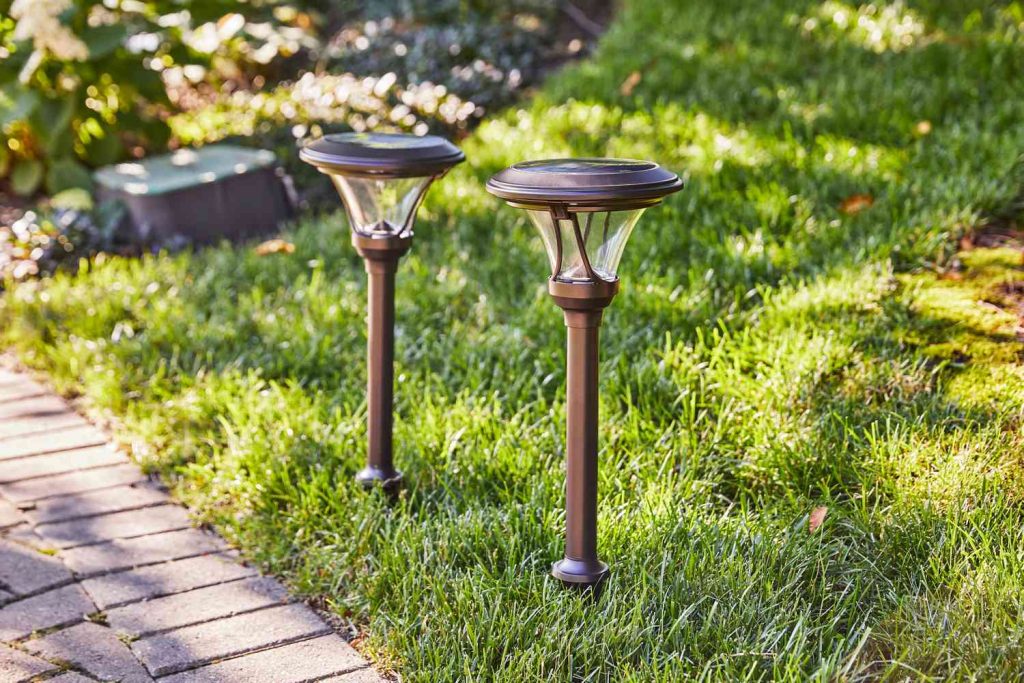
The Hykolity Solar Path Lights provide energy-efficient illumination for walkways and gardens. Powered by the sun, they require no wiring or electricity.
Use case: Solves the issue of high energy bills and complex installations while promoting green energy use.
<a href=”https://www.hykolity.com/” target=”_blank”><button>Buy Solar Path Lights Here</button></a>
Benefits of Technology in Eco-Friendly Landscaping
Modern eco-friendly landscaping integrates technology for smarter, greener outcomes:
-
Smart Sensors: Monitor soil moisture to prevent overwatering.
-
Robotics: Lawn mowers and garden tools reduce manual effort while cutting emissions.
-
Solar Integration: Lighting and small water features powered by solar energy cut reliance on electricity.
-
Sustainability Apps: Homeowners can track water use, garden health, and eco-footprints digitally.
By combining technology with sustainable practices, Canadians can create landscapes that are efficient, beautiful, and environmentally responsible.
How to Buy Eco-Friendly Landscaping Solutions in Canada
When buying products or services, consider:
-
Durability: Ensure products are suited for Canadian climates.
-
Eco-Certifications: Look for eco-labels like Energy Star, FSC, or organic certifications.
-
Local Providers: Support Canadian businesses offering sustainable landscaping services.
-
Installation and Support: Choose brands that provide customer support and warranties.
Most eco-friendly landscaping products can be purchased online from official retailers or local garden centres. Hiring premium eco-landscaping services can also be done through professional landscapers who specialize in sustainable design.
FAQs
Q1: What is the cost of eco-friendly landscaping in Canada?
The cost depends on project size and services. Small upgrades like native planting may cost a few hundred dollars, while full eco-landscape designs can range from $5,000–$25,000.
Q2: Are eco-friendly landscaping products more expensive?
Some products may have a higher upfront cost, but they save money long-term through lower water, fuel, and maintenance expenses.
Q3: Can eco-friendly landscaping work in all Canadian climates?
Yes. With region-specific native plants, smart irrigation, and weather-adapted solutions, eco-friendly landscaping can thrive across Canada’s diverse climates.